Installing New Damp Proof Membrane
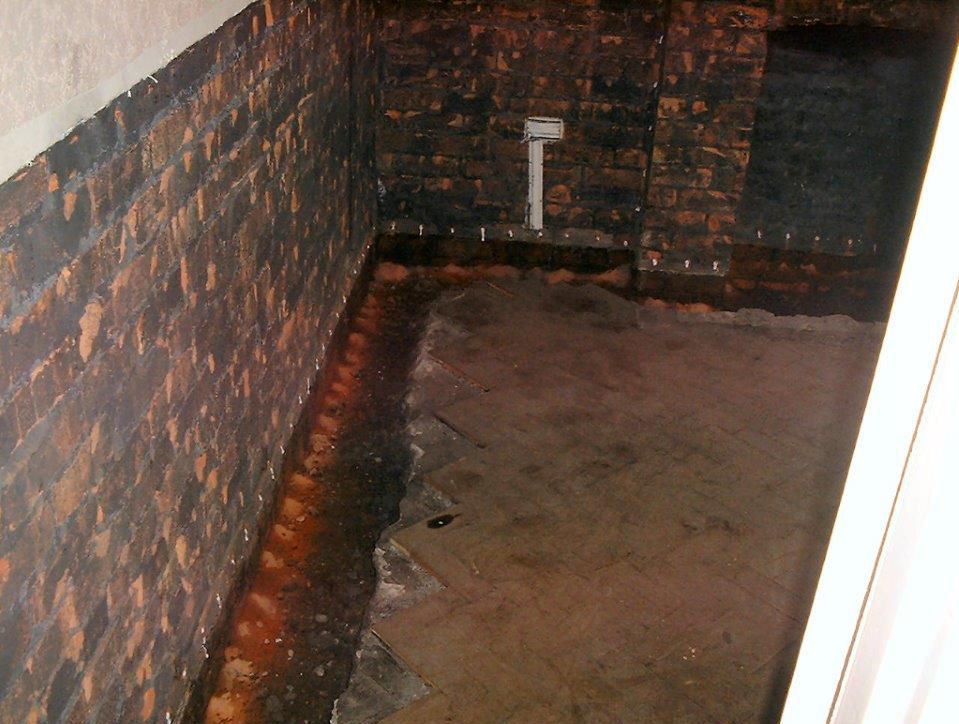
Damp proof membrane under a new slab. Damp Proofing Membrane Installation: Cut the damp proofing membrane to size; Place the damp proofing membrane to the wall; Neatly fold the damp proofing membrane around corners; Drill then fix the damp proofing membrane to the walls ensuring a tight fit; Apply wall finish to the damp proofing.

More information on Damp Proofing Membrane Damp proofing membranes can be applied internally with little or no surface preparation. They can be used immediately after the insertion of a new damp proof course to isolate the new finish from existing salt and damp contaminated walls. Also they can be used when the existing surface is deteriorating and a key is required. Damp Proofing Membranes Key Uses: • Isolate damp walls • Isolate salt contaminated walls • Provide a key on deteriorating surfaces • Damp proof membrane under a new slab Damp Proofing Membrane Installation: • Cut the damp proofing membrane to size • Place the damp proofing membrane to the wall • Neatly fold the damp proofing membrane around corners • Drill then fix the damp proofing membrane to the walls ensuring a tight fit • Apply wall finish to the damp proofing membrane Damp proof wall membranes are made from HPDE and other forms of plastic. Different types of damp proofing membranes are used depending on the intended use, finish required and the amount of damp and contaminates you need to control. Damp proofing membranes have an overall sheet thickness of between 0.5mm – 1mm and have varying stud sizes from 1mm – 8mm.
The cavity created by the damp proofing membrane contains between 3 – 10 litres of space which is known as the 'Air gap'. Some damp proof wall membranes have a plain finish for use either as a floor damp proof membrane with a screed or floating floor finish or as a wall damp proof membrane with a dry lining system as the finish. Other damp proofing membranes have a mesh welded onto the face for direct rendering then plastering or dot and dab plaster board. Damp proofing membranes not only have high compressive strength and a long life expectancy (over 30 years), they are extremely flexible and have an elongation break of over 40% therefore they are able to deal with structural movement thus providing longer lasting damp proofing solutions. Permagard have a large range of damp proof membranes, associated fixings and drainage solutions available for every application. For help and advice on which damp proof membrane to use in your area please feel free to contact us on 0117 982 3282 and we will be pleased to help.
I agree with Britanna building Co Ltd on this mater apart from one thing. Being a remedial company we know you can not get an insurance backed guarantee for the DPC cream, in the past companies have said to there guarantor company that they have used injection fluid and only use the cream on minor walls or not at all just to get the guarantee witch then is invalid if inspected. We use a pressurized chemical injection, apply a tanking slurry then add SBR in the mortar mix this gives you three barriers against rising,penetrating and salt efflorescence and is insurance back able. In your area find a company who is a member of the PCA and can offer you GPI insurance backed guarantee as this is the best and safest guarantee you can get. Hope this helps. There are different methods of intalling a damp course some are holistic whilst others are scientific. In recent years the chemical companies have devloped injection creams which are injected into holes drilled into the fabric of a building from the external elevation of non cavity walls and both internal and external on cavity walls.
Chak Dhoom Dhoom Song From Dil To Pagal Hai Mp3 Download more. These methods are similar to the pressure injected methods used in the 80's and 90's. However they require the replacement of the plastering up to 1000mm above the top of the existing damp and so cost starts to add up. Other methods are the ' Holland ' or Dutch method which involves the placement of 100mm individual air bricks which create cold spots and alledgedly draw moisture to them.
There are other methods that may be employed for certain criteria such as the removal of the mortar joint and the insertation of membrane or pitch but these methods are labour intensive and not always 100% successful. The Dhandho Investor By Mohnish Pabrai Pdf Files. I would suggest that you research the matter further and make your decision based on what is best value for you and not the cheapest option. If I was to install a DPC to my own home I would use an injection cream and get an insurance backed guarantee from the company. Hope this helps Paul BBC. The ideal way is to have a combination of injection and tanking compound.
A cream injected into the brickwork will create a DPC to prevent against rising damp and application of tanking coumpound onto brickwork up to 1.5m above DPC will prevent against any penetrating damp that may occur either from existing damp within the brickwork or if the cream installation gets bridged or fails at any point. Note: waterproofer in cement render isn't as good as using a proper tanking compound.
Always get a gaurantee preferably insurance backed.